Private capital is only one layer of financing in Croatia. The other is non-repayable EU funding, and in summer 2026 two new calls opened specifically for startups and innovative SMEs. Here is what they offered, what they reveal about how Croatian EU grants work, and a concrete example of how a foreign company turned a funding opportunity into a contracted million.
VALID and SPARK: €15 million for digital and green innovation
In July 2026 the Ministry of Science, Education and Youth opened two parallel calls under the DIGIT programme, with €15 million available in total.
VALID (DIGIT.2.1.01) targeted startups up to five years old validating digital and green social innovations: grants of €80,000 to €300,000 with aid intensity of up to 80% and a €5 million allocation. Typical fields included AI in care, EdTech, e-health, digital inclusion, local renewables, mobility and the circular economy. Applications were submitted in English.
SPARK (DIGIT.2.1.03) targeted established SMEs carrying out experimental R&D at a mid-stage of development: grants of €80,000 to €300,000 with intensity of up to 60% and a €10 million allocation. Applicants needed at least one closed financial year and a prototype to validate and bring to market, with higher intensity available when partnering with a research organisation.
The deadlines for both calls fell in September 2026, but they are a good model of what to expect from future innovation calls. Projects were scored out of 100 points with a threshold of 70. In other words, a good idea is not enough: you need a solid project structure, a credible budget and the right partnerships.
Sources: EGK International, VALID, EGK International, SPARK, DIGIT portal
What 15 years of EU consulting brings to a foreign investor
CroBiz founder Natalia Zielińska’s first Croatian company, EGK International, prepares EU-funded projects and has guided more than €150 million of investments. Beyond the numbers, that experience gives foreign investors three things that cannot be bought:
- Inside knowledge of the market. Fifteen years of work with dozens of Croatian companies in manufacturing, tourism, IT and renewables means knowing where the bottlenecks are, who the real players are and which business models work.
- Procedures and institutions. Croatian administration spans HAMAG-BICRO, HBOR, line ministries, implementing agencies, cities and municipalities, each with its own procedures, priorities and unwritten rules. Knowing whom to call, when, and how to frame the question saves weeks.
- Keeping up with constant change. Croatian tax, construction, energy and EU funding rules change almost every quarter, and every call comes with dozens of pages of conditions and exceptions. Daily work with EU funds means tracking those changes in real time.
In practice: a Slovenian client and €1 million of EU funds
A Slovenian wood pellet producer wanted to expand into Croatia. It knew its product and its home market, but not which Croatian EU call fitted its project, how to structure it, or who the key contacts in the local administration were.
- CroBiz handled market analysis, site selection, the regulatory check for bioenergy and introductions to local partners.
- EGK International identified the right EU call, structured the project around the evaluation criteria, prepared the full documentation and managed communication with the managing authority.
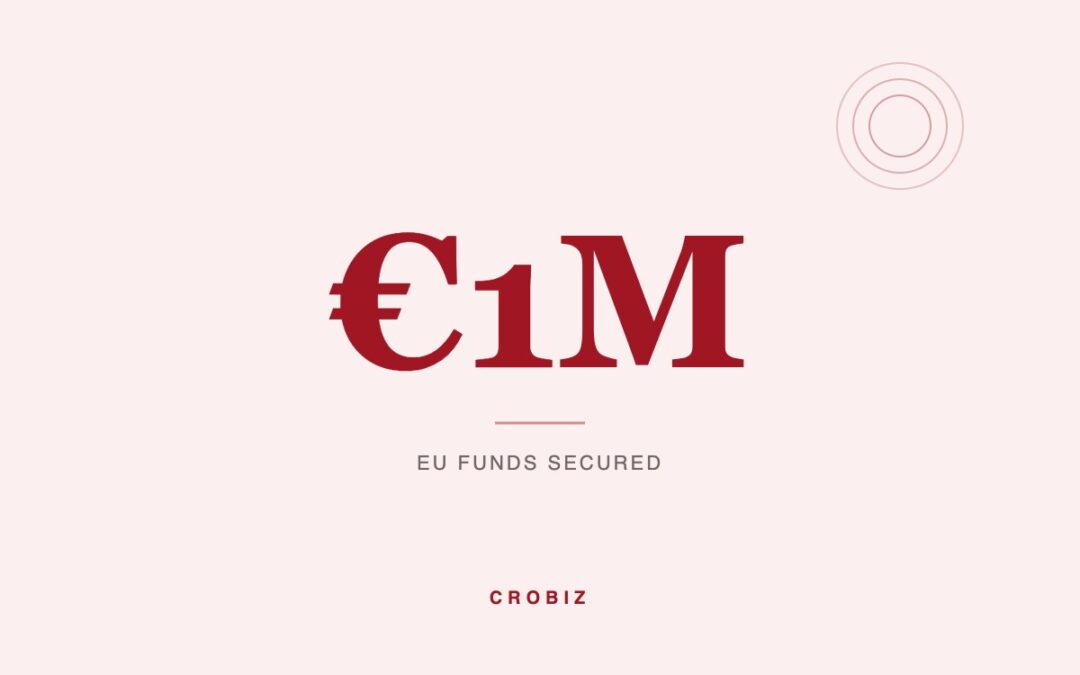
- The result: €1 million in non-repayable funding, without the client having to hire a separate local adviser, EU consultant and translator. One partner, one process.
New calls in energy, tourism, processing, digitalisation and R&D are published regularly on egk.hr/novosti.
This analysis was first published in the CroBiz newsletter for Polish investors. Want market signals like these in your inbox? Subscribe on our homepage or book a call to discuss your project.