
Three developments from 2026 are reshaping Croatian tourism at the same time: higher taxes for small holiday landlords, a wave of premium resort investment, and new rules for coastal campsites. Together they point to one conclusion: the sector is entering a phase of maturity.
Taxes: the squeeze on 110,000 small landlords
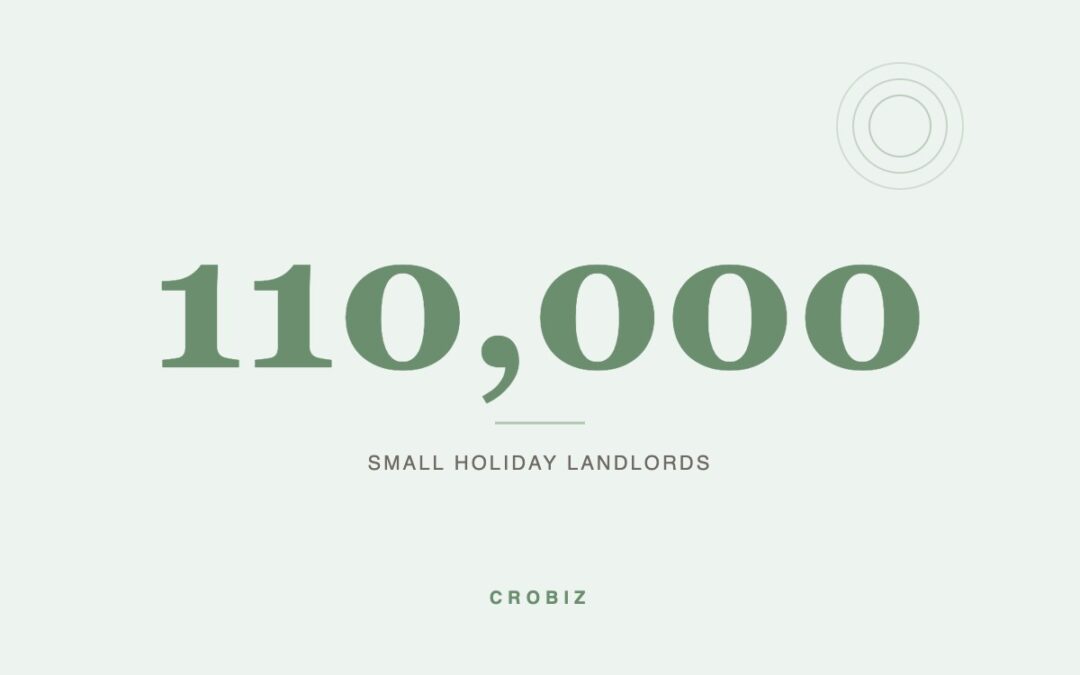
Croatia had around 110,000 small holiday rental providers in 2025. On 28 May 2026 the government announced an anti-inflation package that takes effect on 1 January 2027, and for anyone invested in Croatian holiday apartments, it is the most important change in years.
- The minimum annual flat-rate tax per bed is rising for small short-term landlords, particularly in the most touristic areas: the coast, the islands and Istria.
- A citizens’ initiative has proposed abolishing the flat-rate regime for rentals in residential buildings altogether and replacing it with income-based taxation. For now it is only a proposal, but it has political support.
- Short-term letting remains more profitable than long-term, but the gap is narrowing. The government openly says it wants owners to rent to residents instead.
What it means: the model of buying an apartment, listing it on Booking and earning four summer months is losing its investment case. Margins will shrink and regulation will only tighten. It is time to look at higher-category projects such as premium hotels, campsites in new zones, year-round concepts, wellness and food and wine tourism, where EU funding is also available.
Sources: Forbes Hrvatska, Monitor.hr, Dnevnik.hr
Investment: where the money is actually going
Two recent openings, worth €207 million combined, illustrate the trend.
Valamar Pical Resort 5*, Poreč (€200 million). The largest investment in the history of Croatian tourism: 800 new jobs, the biggest congress centre in Istria with 1,200 seats, an ESPA wellness centre and restaurants led by Michelin-starred chefs.
Kamp Almissa, Omiš (€7 million). An upgrade from three to four stars with new holiday homes and sports facilities, part of a €12 million investment cycle through 2027.
What they have in common:
- A higher category. Nobody is building three-star hotels or simple apartments.
- Year-round operation. Pical has congress, wellness, dining and sport facilities; Almissa is extending its offer beyond the season.
- Integration with the local economy. Pical works with local producers and contributes around €3 million a year to the Poreč city budget and €19 million to the state.
- Scale suited to professional management, with annual plans, structured financing and dedicated teams.
Sources: Tportal, Glas Istre
Regulation: new 25 m and 100 m rules for campsites
The new Spatial Planning Act and Construction Act, in force since 1 January 2026, bring a fundamental change to one of the fastest-growing segments of Croatian tourism. Existing campsites have five years to comply.
- Campsites within settlements: no holiday homes or buildings within 25 m of the shoreline, only beaches, promenades and open facilities, with a maximum of 30% of the site built up.
- Campsites outside settlements: mobile homes may not be placed closer than 100 m to the shoreline.
For investors this means: new campsite projects only work on plots with enough depth, since the first line by the sea is now reserved for open infrastructure. Compliant, well-structured campsites gain value because fewer sites can compete on quality. And while existing operators have time, those who adapt early will be in a stronger position to sell.
Sources: Nacional, Dnevnik.hr, Kucica.hr
The bottom line
Less mass tourism, more operational discipline, clearer regulation and large premium projects that set the standard. CroBiz helps investors plan tourism projects under the new regulatory regime and choose segments with real potential.
This analysis was first published in the CroBiz newsletter for Polish investors. Want market signals like these in your inbox? Subscribe on our homepage or book a call to discuss your project.