
Prirez w Chorwacji
Wysokość tego podatku zależy od miejsca zamieszkania pracownika i w Zagrzebiu wynosi nawet 18%.
W celu powiększenia konkurencyjności wiele chorwackich miast zdecydowało się do tej pory podatek zmniejszyć bądź zlikwidować całkowicie (np. Bjelovar).
Niemniej nadal stanowi on podstawie budżetów lokalnych największych miast takie ja Zagrzeb czy Split.
Zagrzeb ma najwyższe pensje i najwyższy odsetek mieszkańców z wysokim wynagrodzeniem w kraju.
W ubiegłym roku wszystkie miasta i gminy uzyskały ponad 1,6 miliarda kun z tego dodatkowego podatku, z czego Zagrzeb uzyskał nawet 950 milionów kun. Następny jest Split z około 90 milionami, następnie Rijeka z 60 milionami i Osijek z około 50 milionami z prirezu. Tym samym w czterech największych miastach zebrano 1,15 mld kun, a we wszystkich pozostałych miastach i gminach tylko 450 mln kun.
Nowa reforma i nowe pytania
Dlatego wielu zaskoczyła wiadomość Ministra finansów o wdrożeniu nowej reformy podatkowej. W ramach reformy planowane jest zniesienie podatku od prirezu, co oznacza, że obywatele będą mieli większą część swojej pensji jako wynagrodzenie netto. Ponadto, podwyższy się tez kwotę wolną od podatku, co również przyniesie korzyści finansowe dla wielu ludzi. Niemniej jednak reforma podatkowa przyniesie także nieco trudności, ponieważ stawka VAT na paliwa zostanie podwyższona. To z kolei spowoduje wzrost cen paliw, co wpłynie na koszty codziennego życia oraz transportu. Mieszkańcy muszą więc przygotować się na to, że ich wydatki wzrosną.
Jak to wpłynie na rynek turystyczny? Miasta i gminy pozostaną bez dodatkowego przychodu, wiec zapewne podniosą opłaty lokalne to potencjalne może wpłynąć na wzrost ceny wynajmów.
Ale o tym przekonamy się w przyszłym roku.
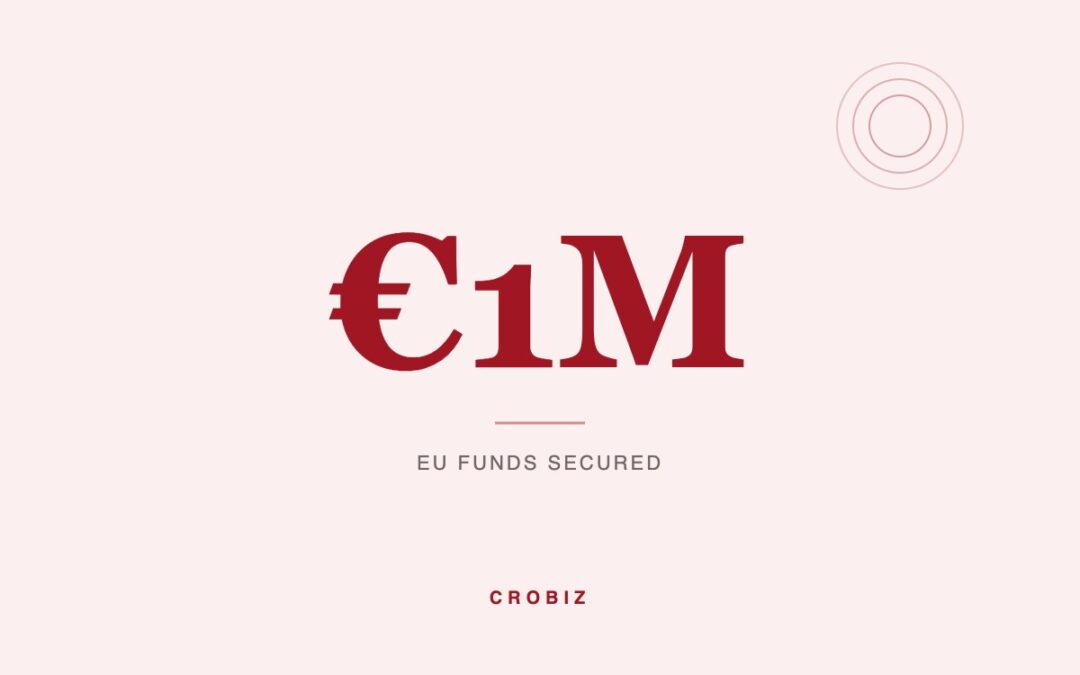
How a Slovenian Company Secured €1 Million in EU Funds in Croatia, and What Startups Can Learn
Private capital is only one layer of financing in Croatia. The other is non-repayable EU funding, and in summer 2026 two new calls opened specifically for startups and innovative SMEs. Here is what they offered, what they reveal about how Croatian EU grants work, and...
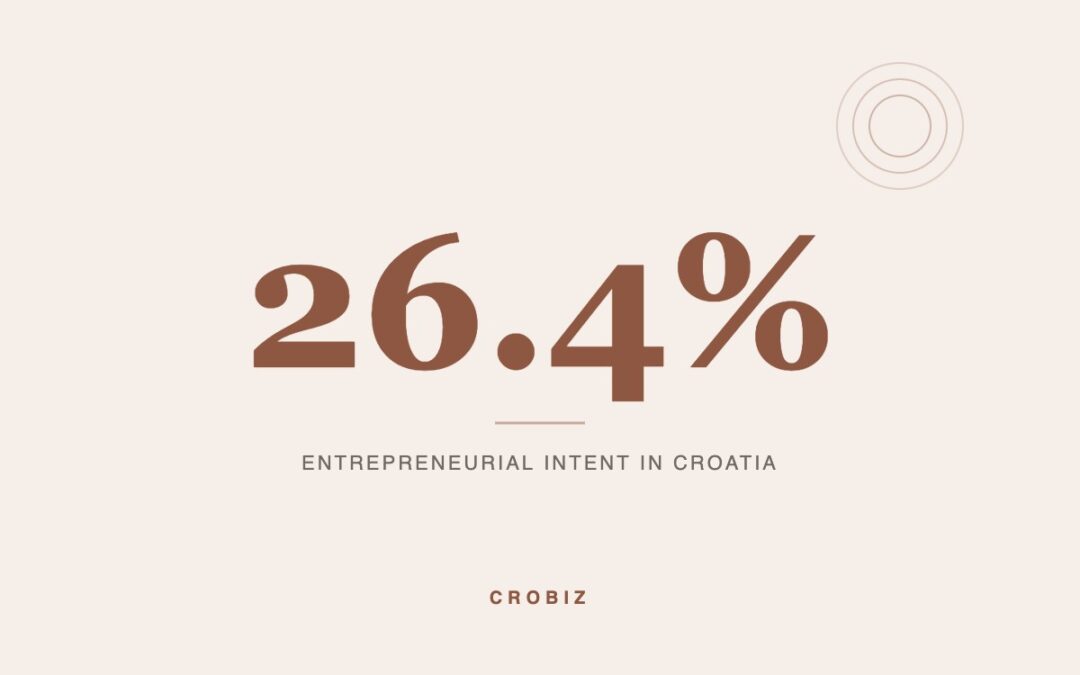
Expensive Credit, Ambitious Founders: What the OECD Says About Financing Croatian Companies
Croatia sits on an unusual combination: some of the highest entrepreneurial ambition in the EU, and a financing environment that still makes growth expensive. Two developments from spring 2026, a fresh OECD report and the largest investment announcement in the...
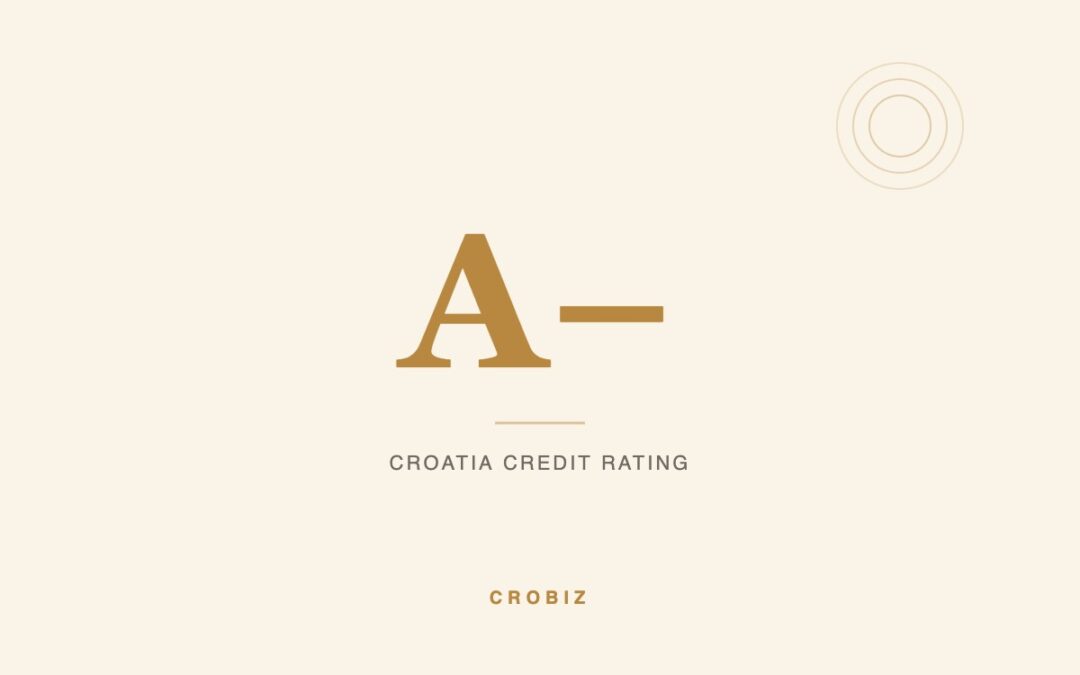
Four Signals for Investors: Croatia’s Anti-Inflation Package, A− Rating and Slowing Growth
Late May 2026 brought a concentrated burst of news from the Croatian economy: a government anti-inflation package, a credit rating upgrade and a clear slowdown in growth. Here are the four signals that matter most for foreign investors, and what to do about them. 1....
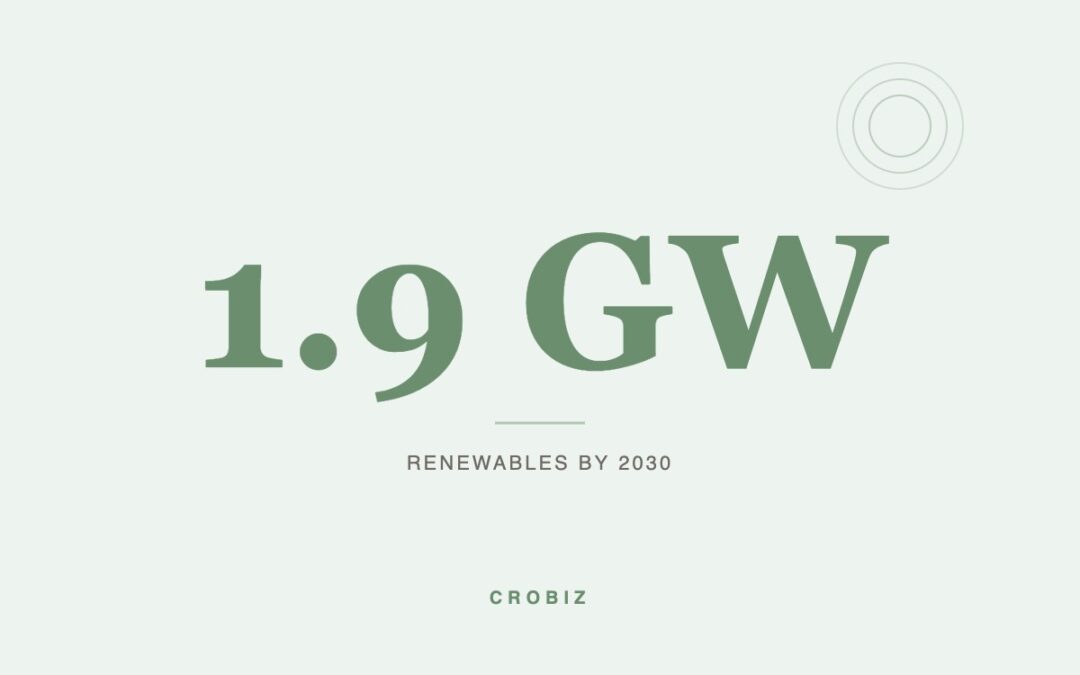
Premium Tourism and Renewable Energy: Two Croatian Sectors Worth Watching
Two Croatian sectors are attracting serious capital in 2026: premium tourism and renewable energy. Both combine real market demand with access to EU funding. And a recent CroBiz project shows how the second can work in practice for a foreign company. A fresh CroBiz...
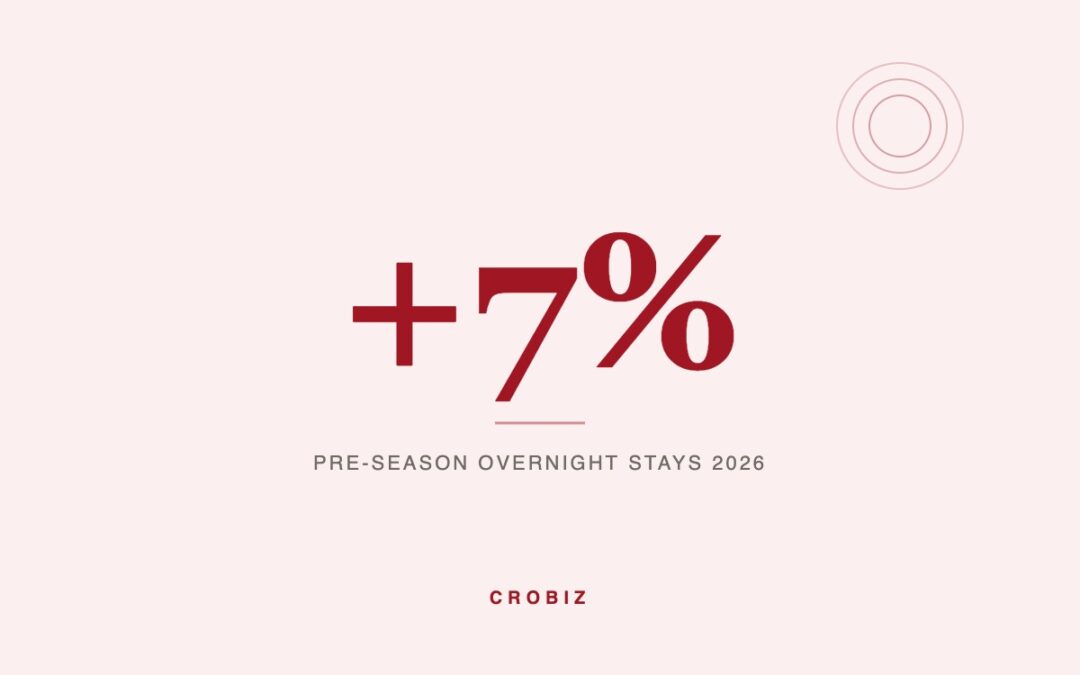
Croatia’s 2026 Tourist Season in Numbers: Where the Investment Money Is Going
Mid-season is a good moment to look at the numbers. Croatian tourism in 2026 tells two stories at once: steady growth outside the peak months, and a clear shift in where developers are putting their money. The season so far: pre-season up, peak uncertain Between...
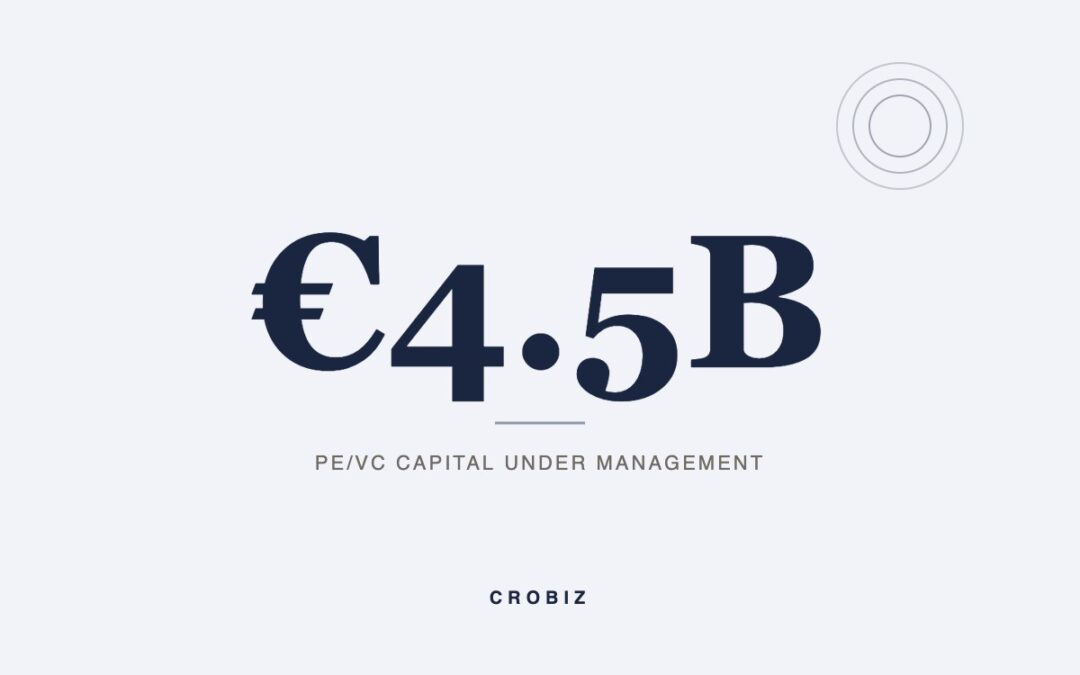
Croatia’s Capital Market in Three Layers: IPOs, Startups and Private Equity
Most foreign investors look at Croatia through real estate and tourism. But the country's capital market has been quietly deepening on three parallel levels: the public market, the startup ecosystem and private equity. Each opens a different kind of opportunity. The...
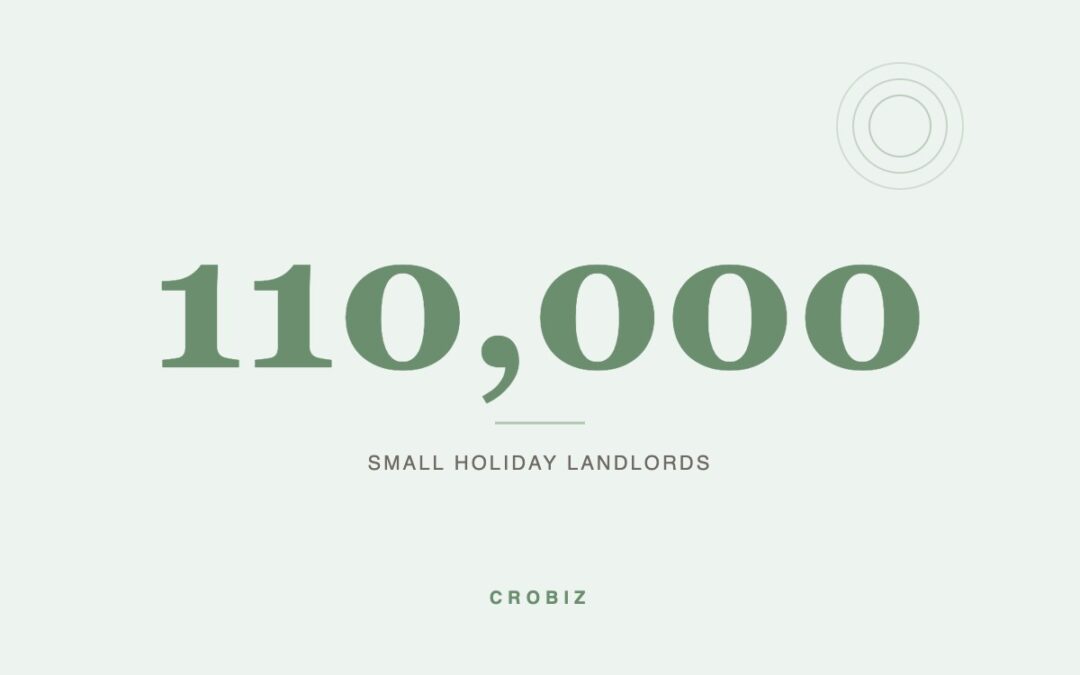
The End of an Era for Small Holiday Rentals in Croatia
Three developments from 2026 are reshaping Croatian tourism at the same time: higher taxes for small holiday landlords, a wave of premium resort investment, and new rules for coastal campsites. Together they point to one conclusion: the sector is entering a phase of...
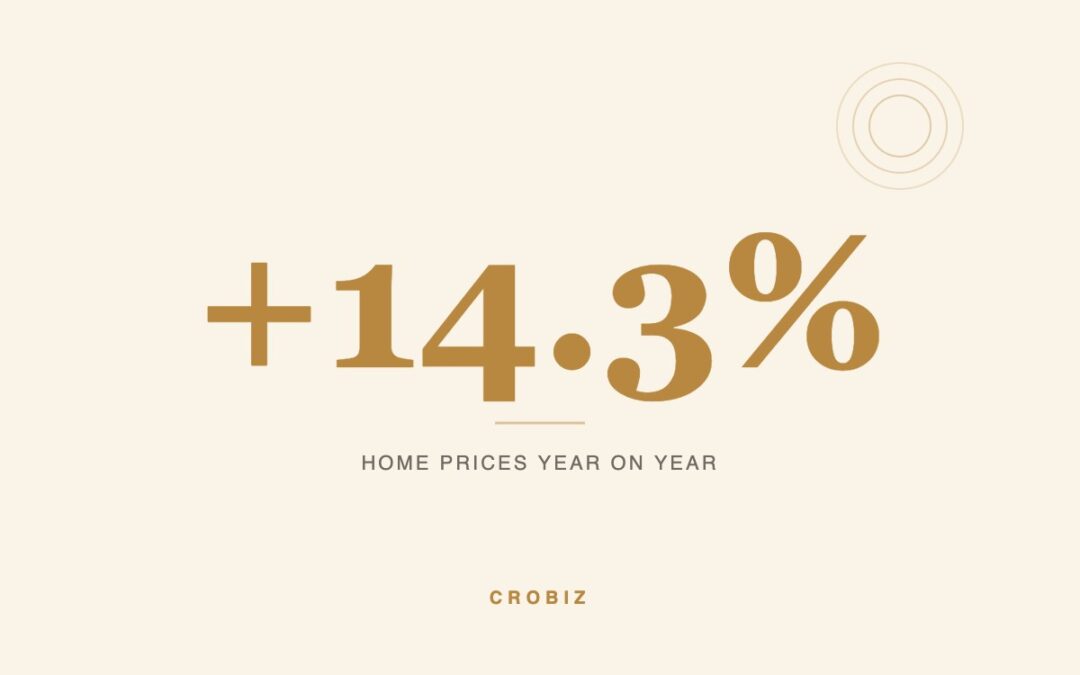
The Croatian Property Paradox: Prices Up 14%, Transactions Down 42%
The Croatian property market in 2026 presents a striking paradox. Home prices are rising faster than almost anywhere in the EU, yet the number of transactions has collapsed. Construction permits are falling, yet construction turnover keeps growing. Here is what is...
Polish Capital in Croatia: Studenac, Pan-Pek and Lessons for Investors
Polish companies have never invested as much in Croatia as in recent years. September 2026 showed the other side of that story: Studenac, the country's largest store network and Poland's flagship investment, entered pre-bankruptcy proceedings. Set side by side, the...
Croatia This Week: Business Signals Investors Should Be Watching
Croatian economic data released over the past week paints a picture familiar to anyone tracking the country since euro accession: solid growth, narrowing optimism, and a set of structural pressures that will reshape investor calculations heading into the second half...